
What We Do

Emit as Little CO2 as Possible
Carbon dioxide emissions trapped in our atmosphere cause global warming which cause climate change that affects animal’s habitats, melting polar ice caps, rising sea level and many more dangerous effects. To help with this, we should do one or more of the following: drive more efficiently, don’t eat as much red meat, plant trees, make your home more energy efficient and reduce air travel.
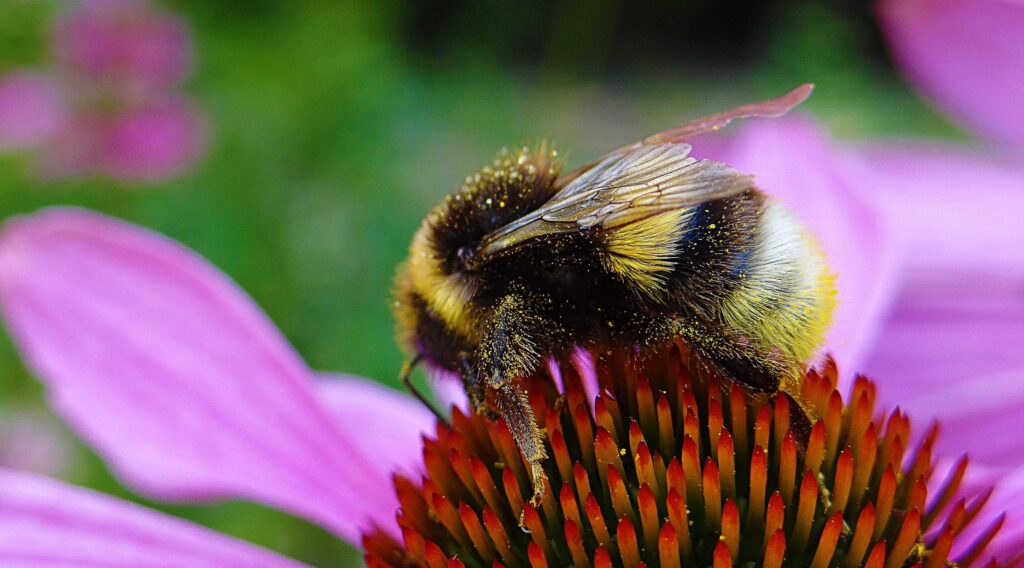
Support Bees
Bees are an integral part of our ecosystem. They help plants to reproduce. Without them, crops would die and the world will starve. The bees are rapidly disappearing, so here’s something you can do to help the bees: plant some bee-friendly flowers that produce nectar and pollen.
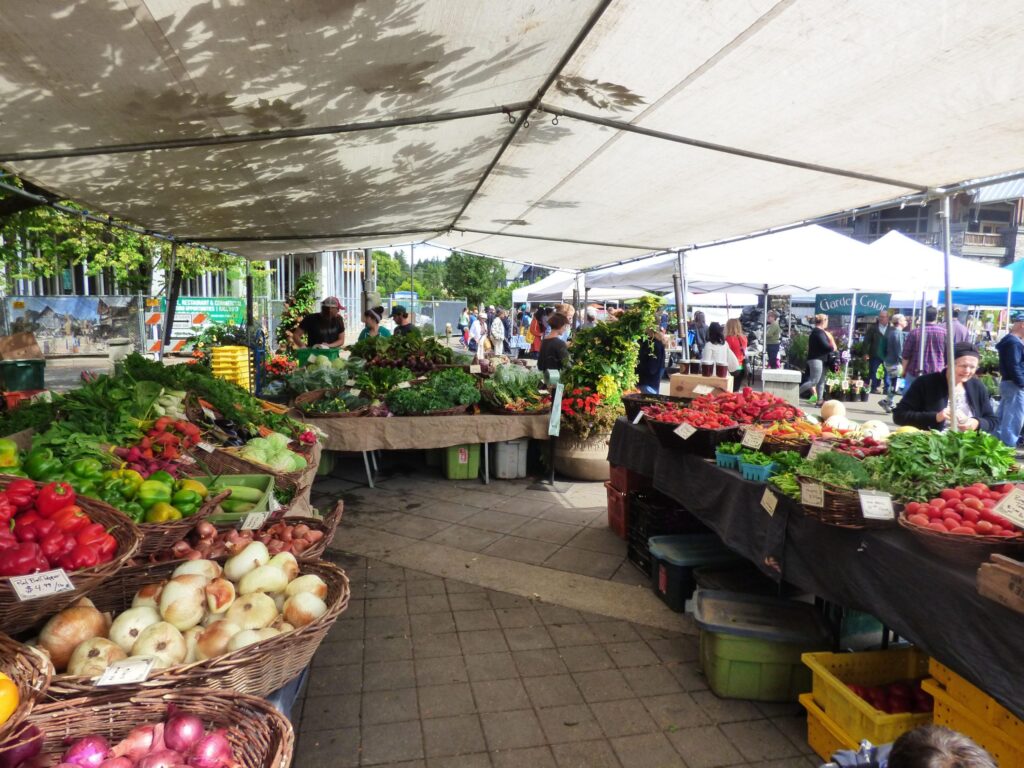
Avoiding GMO foods
GMO seeds and food are known to have chemicals in them that are lab-created and are bad for people’s bodies and also bad for the environment. One thing you can do to avoid these is to buy organic foods at your store and even better at farmer’s markets.
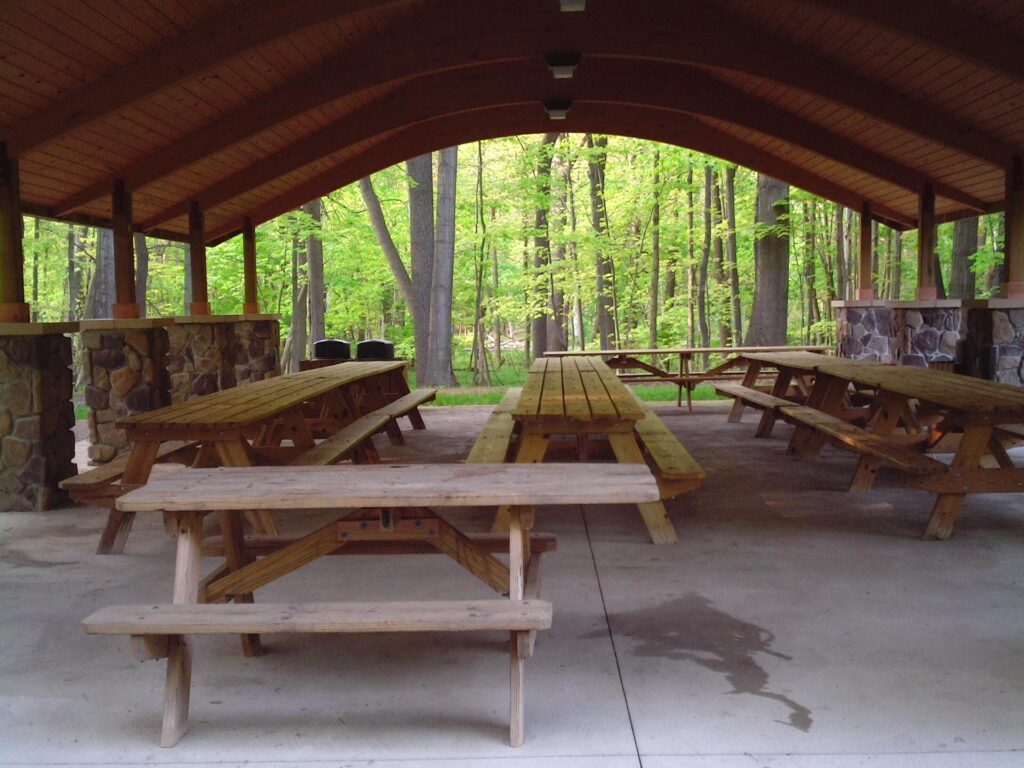
Being Involved in our Community
Promoting peace in the world is something we all want, but that idea is vastly overwhelming. You can help promote peace by doing things just in your own community. Here’s a few ways: become familiar with your neighbors and community; plan peaceful events like a community picnic/potluck or get-together at a park; volunteer; attend community events.
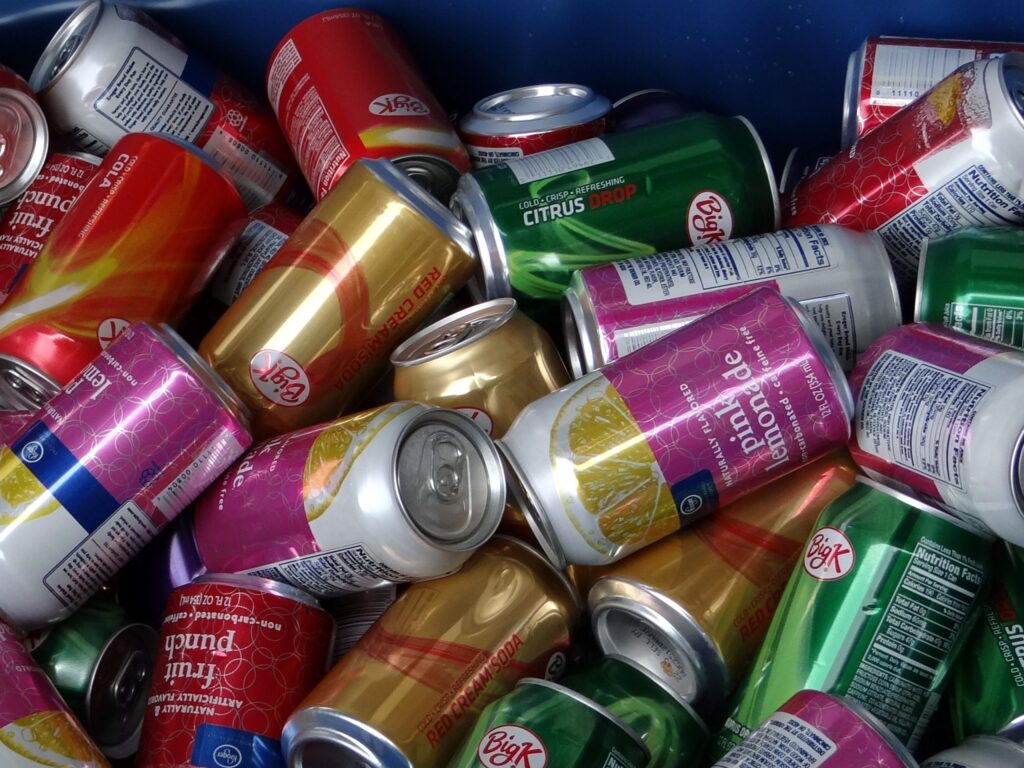
Recycling
The U.S is the leading country for producing waste in landfills. 292.4 million tons to be exact. The top 3 waste products in landfills are food, paper/paperboard and plastics which most of those products can be recycled. You can do your part by recycling paper/paperboard and plastics (even if you don’t get paid for them), and as an example for food, starting a compost bin with food scraps.
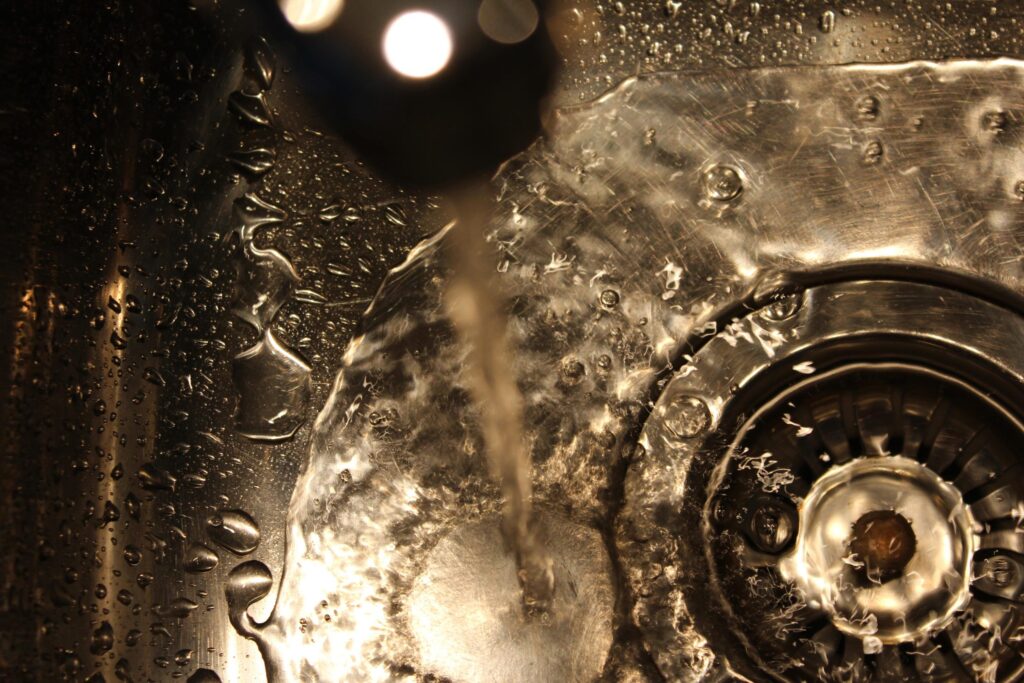
Conserving Wastewater
Our oceans are so polluted with waste, chemicals, spills and more, that many species that live there are being endangered and extinct. One very simple thing you can do today right now, that isn’t being done enough, is to conserve water so excess wastewater does not spill into the oceans.

Spay / Neuter Our Animals
Every year in the U.S. 27 million cats and dogs are born. 4 million of these animals are euthanized, many are healthy adoptable animals, because homes cannot be found for them. The problem is that people are still not spaying/neutering them. To help with this horrible situation, if you have a pet that is not fixed, make an appointment ASAP.
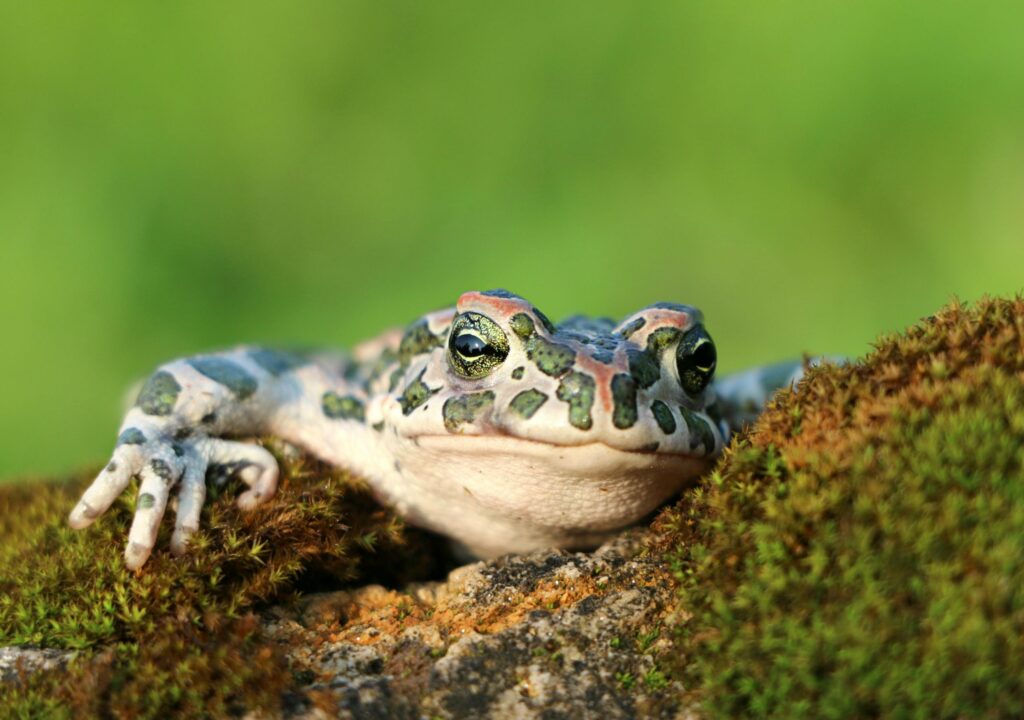
Support Frogs
Frogs have been living for over 250 million years and are practically unchanged. Frog species are dying off so rapidly now and telling scientists that there are enormous problems with our biosphere. As they die off, many animals are without a food source which in turn breaks up the circle of life. To help with this we can stop flushing medications down the toilet, try not to pollute the air, and not use pesticides.
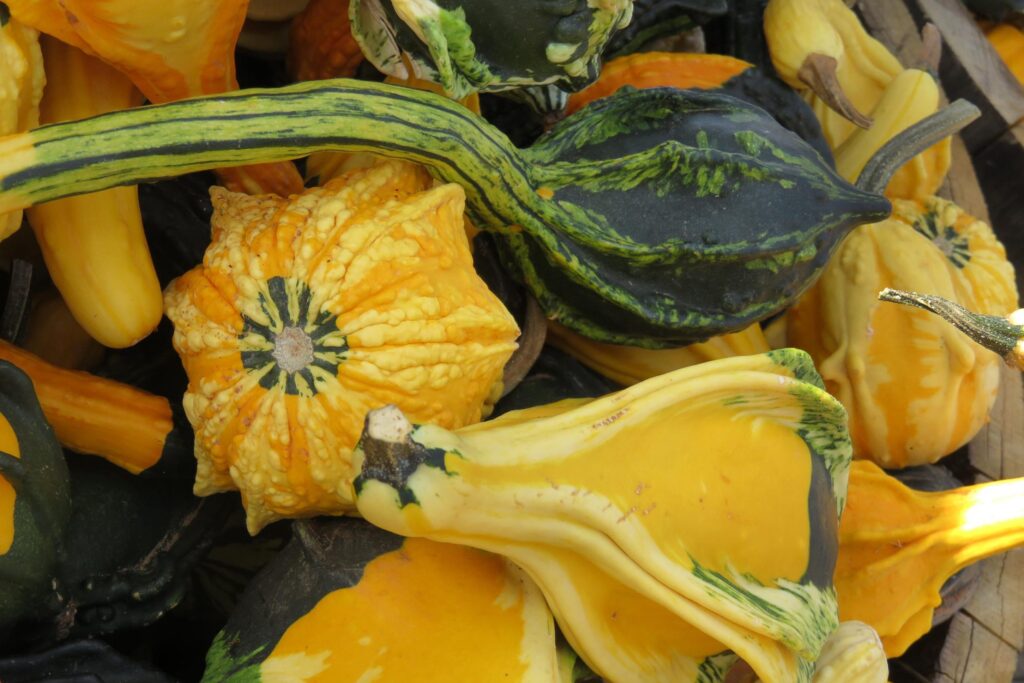
Purchasing “Imperfect” Foods
There is such an incredible amount of food waste in the world especially from stores that won’t sell imperfect produce because consumers won’t buy it. One way you can help the planet is to buy these imperfect foods from companies that sell them, like the company Imperfect Foods. Maybe you could buy from them, or another company, once a month or more to help the planet from food waste.
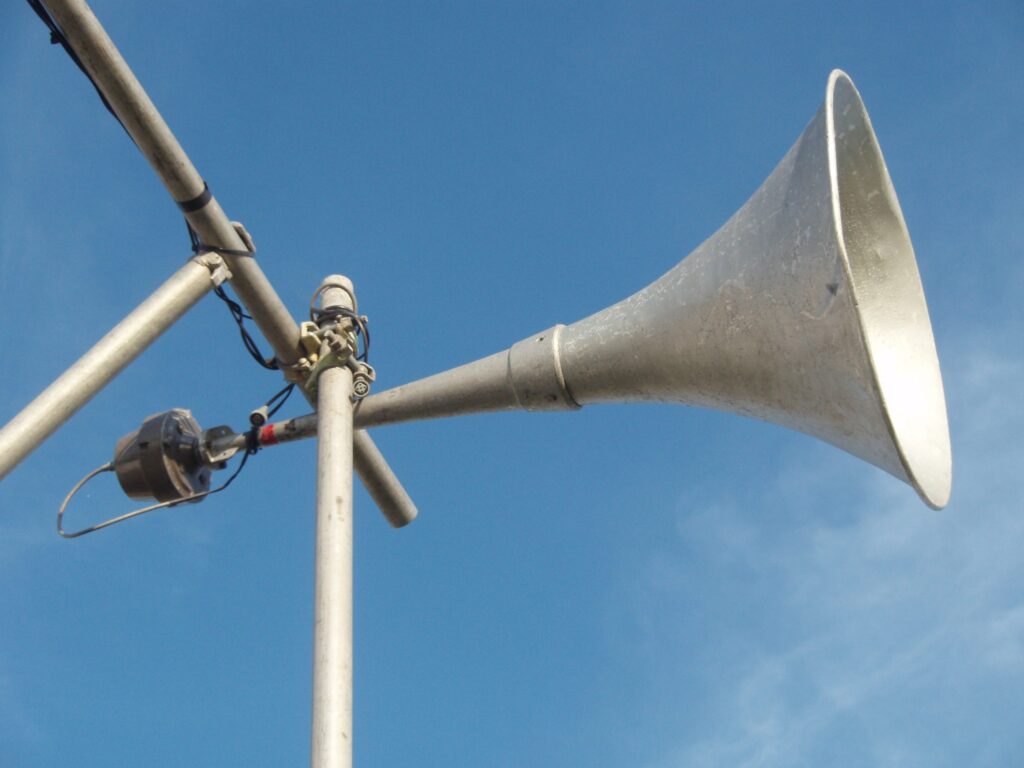
Improve Noise Pollution
Noise pollution is the 2nd largest environmental cause to health problems. Can you believe that! Environmental noise contributes to 48,000 new cases of ischemic heart disease, and 12,000 premature deaths per year, and even animals migrate more to get away from noise. That’s crazy! You can help with noise pollution in your home by upgrading insulation, closing windows, wearing ear plugs(for landscape blowers, construction, etc), turn off electric devices, and lower volume.
Using Bread
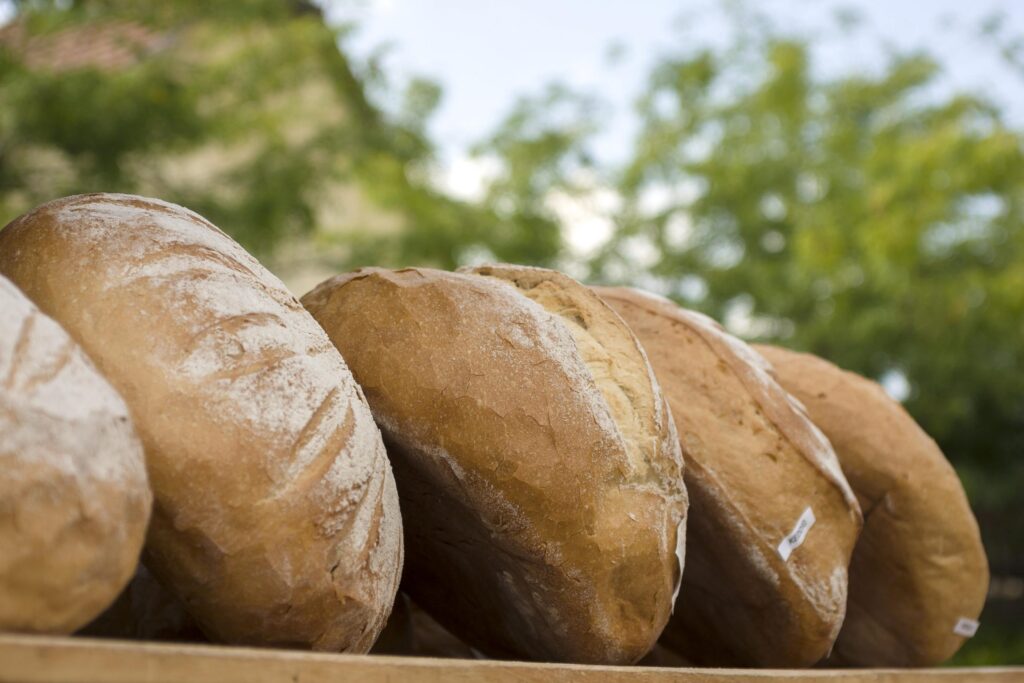
Bread is one of the top food items that is wasted and thrown away. In this day and age, the last thing anyone should do is waste food. There are many ways to use stale bread, like for croutons and more, and ways to prevent the staling process, like freezing it. There are many sites you can find that give great ideas about not wasting bread.
Preventing Habitat Loss
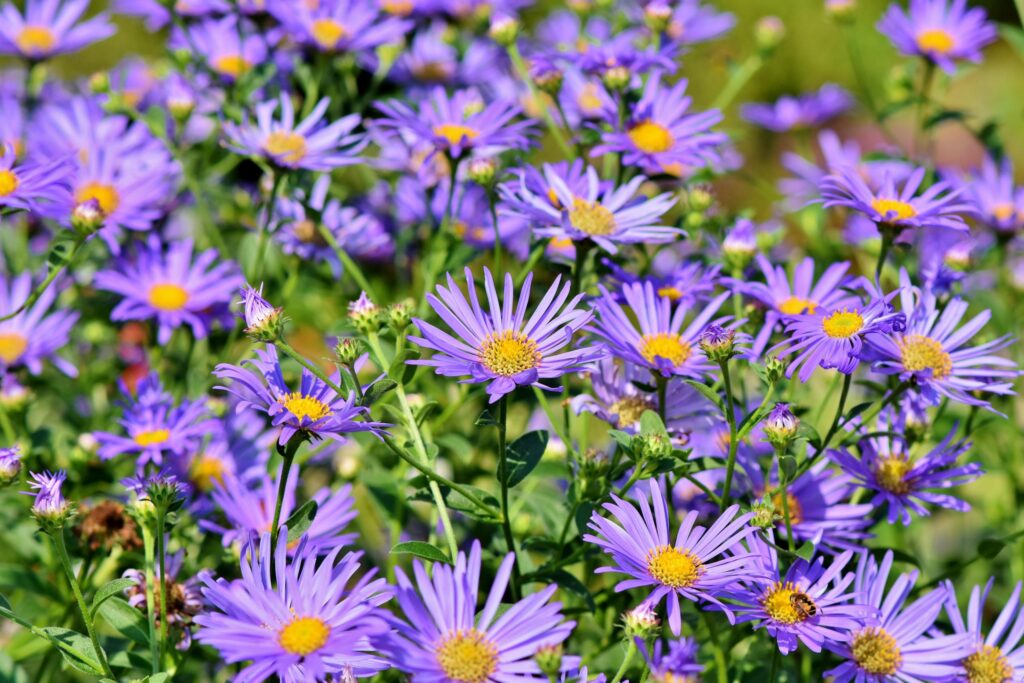
Habitat loss is one of the largest reasons that threaten wildlife. It is the main threat to 85% of all endangered and threatened species. Fragmentation, expansion of agricultural land, harvesting timber and overgrazing are just a few of the reasons for this loss. Some things you can do to help is to plant native trees, bushes, and flowers to attract local species and provide a water source for animals. Also , reduce pesticide use.